Blog

  • Why Undercarriage Design Matters For Construction Equipment Performance?

    When people evaluate construction machinery, attention often goes directly to horsepower, lifting capacity, bucket size, or hydraulic power. Yet much of a machine’s ability to use that power depends on what happens underneath it. The undercarriage creates the connection between heavy equipment and the surface it travels across. Its design can influence traction, stability, ground pressure, component wear, and overall machine behavior in demanding environments.

    Ground Contact Determines How Power Reaches The Surface?

    An engine may generate substantial power, but that power has limited value when a machine struggles to maintain effective contact with the ground. Undercarriage design determines how the machine distributes force across the surface.

    Tracked equipment typically spreads weight across a larger contact area. This characteristic can be useful on soft soil, loose material, mud, or uneven terrain where excessive sinking could make movement difficult. Different track widths, configurations, and components can further influence how effectively equipment interacts with particular surfaces.

    Understanding this relationship helps explain why undercarriage specifications deserve as much attention as specifications found higher on the machine.

    Ground Pressure Can Affect Site Conditions

    Heavy machinery places considerable force on the ground. How concentrated that force becomes depends partly on undercarriage configuration.

    Lower ground pressure can be valuable when equipment operates on softer surfaces because the machine’s weight is distributed across a broader area. This may help limit excessive rutting and reduce the likelihood of becoming deeply embedded in unstable material.

    Contractors comparing machines through resources such as Torgersons construction equipment can examine undercarriage characteristics alongside horsepower and operating weight to understand better how a machine may behave once it encounters actual ground conditions.

    Track Tension Has A Direct Relationship With Wear

    Track tension is an important but sometimes overlooked aspect of undercarriage performance. Excessively tight tracks can increase stress on components and accelerate wear. Tracks that are too loose may create different problems, including poor engagement or an increased possibility of track-related issues.

    Correct adjustment allows components to move as intended while maintaining appropriate contact throughout the track system. Because operating conditions can affect track tension, periodic inspection is important rather than assuming one adjustment will remain suitable indefinitely.

    Abrasive Materials Can Accelerate Component Damage

    Construction sites expose undercarriage components to sand, gravel, stone fragments, mud, and other abrasive materials. These substances can collect around rollers, sprockets, track links, and related components.

    Repeated contact with abrasive debris gradually removes material from metal surfaces. Conditions become particularly demanding when dirt combines with moisture and forms tightly packed material around moving components.

    Undercarriage designs that provide practical access for inspection and cleaning can make it easier to identify buildup before it contributes to excessive wear.

    Weight Distribution Supports Machine Stability

    Undercarriage design also contributes to how equipment carries and distributes its mass. Proper weight distribution becomes especially important when a machine is working on uneven terrain or performing tasks that shift its center of gravity.

    A stable base gives operators a more predictable platform from which to work. Track length, width, contact area, and overall machine geometry all contribute to this behavior.

    This is particularly relevant for equipment performing excavation or other activities where forces continually change as the machine works.

    Turning Habits Can Influence Undercarriage Life

    Machine operation itself affects undercarriage longevity. Frequent sharp turns can place greater stress on tracks and related components, especially on abrasive surfaces. Constantly operating in one direction on sloped terrain may also create uneven wear.

    Operators who understand these effects can modify travel patterns where practical. Wider turns, reduced unnecessary travel, and alternating operating directions may help distribute wear more evenly across components.

    The Undercarriage Deserves Regular Attention

    Because the undercarriage operates close to dirt, rocks, moisture, and debris, problems may develop where they are not immediately visible from the cab. Routine checks can reveal unusual wear, damaged components, incorrect tension, or accumulated material.

    Ultimately, undercarriage design is far more than a structural detail beneath construction equipment. It influences how effectively a machine transfers power, manages its weight, maintains traction, and withstands difficult ground conditions. Giving this system proper consideration can help construction equipment deliver dependable performance where it matters most: directly against the ground.

  • Better Project Decisions Are The First Step Towards The Future Of Construction

    Better Project Decisions Are The First Step Towards The Future Of Construction

    Every successful construction project starts long before the first brick is laid. The planning stage determines how efficiently a project will move from concept to completion. Better project decisions made during this phase help reduce delays, improve safety, control costs, and ensure that the final structure meets expectations. As construction methods continue to evolve, companies that prioritize informed decision making are better prepared to deliver high quality projects in an increasingly competitive industry. Studies consistently show that structured decision making during planning and execution improves project outcomes by reducing uncertainty and supporting better coordination among stakeholders. 

    The Value of Reliable Information

    Construction projects involve countless decisions regarding materials, scheduling, budgeting, labor, and regulatory compliance. Making these choices based on accurate information reduces costly mistakes later in the project. Teams that rely on data, careful analysis, and professional expertise can identify risks before they become expensive problems.

    The importance of dependable information can also be seen in many online government service platforms. For example, portals such as Punjab State Lottery Official Website demonstrate how centralized digital resources help users access verified information quickly, emphasizing the value of reliable data in every industry.

    Early Planning Prevents Expensive Changes

    Many construction challenges arise because important decisions are postponed until work is already underway. Design modifications, unexpected material shortages, or changing project requirements often increase costs and extend deadlines.

    By investing additional time in planning, project managers can evaluate different design options, compare suppliers, establish realistic budgets, and prepare contingency plans. Early planning also allows engineers and architects to collaborate more effectively, reducing misunderstandings throughout the construction process.

    Digital Tools Are Transforming Project Management

    Technology has become one of the biggest drivers of better project decisions. Building Information Modeling, cloud based collaboration platforms, drone inspections, artificial intelligence, and real time project monitoring provide valuable insights throughout every stage of construction.

    Digital platforms also simplify administrative processes in many industries. For example, systems such as mahabocw profile login registration illustrate how online platforms streamline record management and improve accessibility. Similar digital solutions are helping construction companies organize documentation, monitor project progress, and improve communication between teams. Research continues to highlight digital decision support as a major contributor to more effective construction management. 

    Managing Resources With Greater Efficiency

    Efficient resource management is one of the most important outcomes of better project decisions. Every construction project depends on balancing labor, equipment, materials, and time. Poor allocation can result in idle workers, delayed deliveries, or unnecessary expenses.

    Careful planning enables project managers to schedule resources efficiently while minimizing waste. This approach not only improves profitability but also supports sustainable construction by reducing excess material usage and lowering environmental impact.

    Similarly, information systems like bhumi jankari apna khata dekhe show how organized digital records improve access to important land related information, reinforcing the growing importance of well managed data.

    Collaboration Creates Better Outcomes

    Construction projects involve architects, engineers, contractors, suppliers, inspectors, and clients. Strong communication between these groups ensures that everyone understands project goals and responsibilities.

    Regular meetings, shared project documentation, and transparent reporting help resolve issues before they affect construction schedules. When every stakeholder contributes their expertise, decisions become more balanced and practical, leading to smoother project execution.

    Many organizations also benefit from online information portals such as https://banglarbhumi.news, which demonstrate how digital access to information supports faster communication and informed decision making.

    Preparing the Industry for the Future

    The future of construction depends on continuous improvement rather than simply adopting new technology. Companies that encourage innovation, invest in employee training, embrace sustainable practices, and evaluate project performance after completion develop stronger long term capabilities.

    Education and compliance also play an important role in industry development. Resources like prerna up.in affiliation portal highlight how structured digital systems support organized processes, reflecting the increasing reliance on technology across multiple sectors.

    As construction projects become larger and more complex, organizations that make thoughtful decisions from the beginning will consistently outperform those relying on reactive problem solving.

    Conclusion

    Better project decisions shape every stage of construction, from planning and budgeting to execution and long term maintenance. By combining accurate information, digital innovation, effective collaboration, and proactive planning, construction professionals can reduce risks while delivering higher quality projects. The future of construction belongs to organizations that recognize every informed decision as an investment in lasting success.

  • How Construction Teams Balance Speed With Structural Quality?

    How Construction Teams Balance Speed With Structural Quality?

    Construction projects often operate under tight schedules. Clients want buildings completed quickly, developers aim to reduce costs, and communities look forward to using new infrastructure as soon as possible. At the same time, no project can afford to compromise structural quality. A building that is completed ahead of schedule but fails to meet safety or durability standards ultimately costs far more in repairs, delays, and reputational damage.

    Successful construction teams understand that speed and quality are not competing priorities. Instead, they develop systems that allow both objectives to work together. Through careful planning, advanced technology, skilled labor, and continuous quality control, modern construction projects can achieve impressive timelines while delivering structures built to last.

    Planning Before Construction Begins

    The fastest construction projects rarely begin with rushed work. They begin with detailed planning. Before the first piece of equipment arrives on site, engineers, architects, and project managers collaborate to develop accurate schedules, allocate resources, and identify potential challenges.

    Preconstruction planning minimizes unexpected delays by ensuring materials arrive on time, subcontractors understand their responsibilities, and regulatory approvals are secured in advance. A clear project roadmap enables every team member to focus on execution rather than constantly solving avoidable problems.

    Strong planning also reduces waste, allowing crews to work efficiently without sacrificing workmanship.

    www.stslogin.com And The Importance Of Digital Coordination

    Digital platforms have become essential for coordinating construction activities across multiple teams. Whether managing schedules, tracking documents, or sharing project updates, reliable online systems improve communication and reduce misunderstandings. References such as www.stslogin.com demonstrate how digital access points support organized workflows in many industries.

    Construction managers increasingly rely on cloud based collaboration tools to monitor progress in real time. Instead of waiting for paper reports, supervisors can quickly review updates, assign tasks, and address issues before they affect the project schedule. Better coordination allows work to move faster while maintaining consistent quality standards.

    Skilled Workers Make The Difference

    Technology alone cannot guarantee excellent construction. Skilled professionals remain the foundation of every successful project. Experienced carpenters, electricians, concrete specialists, steel workers, and equipment operators understand the importance of precision at every stage of construction.

    Well trained workers recognize small issues before they become major structural problems. Accurate measurements, proper installation techniques, and attention to safety contribute directly to building durability. Investing in workforce training often increases productivity because experienced crews complete tasks correctly the first time instead of spending valuable time correcting mistakes.

    Construction quality depends on people as much as it depends on materials.

    Mahabocw Profile Login Registration Highlights Workforce Organization

    Construction projects require effective workforce management alongside technical expertise. Systems associated with mahabocw profile login registration reflect how organized worker records and administrative processes contribute to smoother operations.

    Keeping accurate information about workers, certifications, and project assignments helps contractors deploy qualified personnel where they are needed most. Organized workforce management reduces delays caused by documentation issues while supporting compliance with applicable regulations. Administrative efficiency may not be visible on the construction site, but it plays an important role in maintaining project momentum.

    Visit This Site For Better Information Sharing

    Construction involves architects, engineers, suppliers, inspectors, and clients, all of whom require timely access to project information. Centralized communication platforms often encourage users to visit this site to review drawings, schedules, progress reports, or updated specifications.

    Having a single source of accurate information prevents confusion and minimizes errors caused by outdated documents. Teams spend less time searching for files and more time completing productive work. Improved communication helps maintain construction speed while ensuring everyone follows the same quality expectations.

    www.mpbhulekhkhasra.com Demonstrates The Value Of Accurate Land Information

    Every successful construction project begins with reliable information about the construction site. Resources such as www.mpbhulekhkhasra.com highlight the importance of accurate land related records before planning begins.

    Understanding property boundaries, ownership details, and legal documentation helps prevent costly disputes during construction. Resolving these matters before work starts allows project teams to focus entirely on building activities. Proper preparation protects schedules while reducing unnecessary interruptions that could affect both timelines and quality standards.

    Technology Strengthens Quality Control

    Modern construction companies increasingly use advanced technologies to improve both speed and accuracy. Building Information Modeling enables teams to identify design conflicts before construction begins. Drones provide rapid site inspections without interrupting ongoing work. Laser scanning verifies measurements with remarkable precision, while sensors monitor structural performance throughout the project.

    These technologies reduce guesswork and allow supervisors to detect potential problems early. Instead of correcting major defects after completion, construction teams make smaller adjustments during the building process, saving both time and money.

    Quality control has evolved from periodic inspections into continuous monitoring supported by real time data.

    pmmvy20.com Reflects The Growing Role Of Digital Services

    The increasing use of online services, including platforms like pmmvy20.com, illustrates how digital accessibility continues to improve administrative efficiency across different sectors. Construction companies are also embracing similar digital approaches for project documentation, approvals, procurement, and reporting.

    Electronic records reduce paperwork, improve transparency, and simplify communication among stakeholders. Faster administrative processes allow project managers to devote more attention to supervising construction activities and maintaining quality throughout every phase of the project.

    Building Faster Without Building Less

    Balancing speed with structural quality requires discipline rather than shortcuts. Successful construction teams understand that durable buildings result from detailed planning, skilled craftsmanship, reliable communication, effective technology, and consistent quality control.

    As construction methods continue evolving, organizations that combine innovation with proven engineering principles will consistently deliver stronger results. Projects completed efficiently without compromising structural integrity provide greater value for owners, safer environments for occupants, and lasting confidence in the construction industry.

    The most successful construction projects are not simply the fastest. They are the ones that achieve efficiency while creating structures designed to perform safely and reliably for generations.

  • 7 Signs It Is Time to Build a New Farm Shed

    7 Signs It Is Time to Build a New Farm Shed

    Farm sheds have a habit of becoming “good enough” for far too long.

    A few leaks get patched. The machinery gets parked at an awkward angle. Hay is stacked wherever it fits. Tools move from one corner to another until no one is quite sure where anything belongs.

    But on a working farm, a tired or undersized shed is not just inconvenient. It can slow down daily jobs, expose valuable equipment to weather, create safety risks, and make seasonal pressure worse than it needs to be.

    This guide walks through seven practical signs that it may be time to build a new farm shed, plus what to think about before you commit to a design.

    Table of contents

    • Your current shed is always full 
    • Machinery no longer fits properly 
    • Weather is damaging stored assets 
    • The layout slows down everyday work 
    • Repairs are becoming too frequent 
    • Safety risks are creeping in 
    • Your farming operation has changed 
    • Quick comparison: repair, extend, or build new 
    • Build for the farm you are becoming 

    Your current shed is always full

    Every shed has a natural limit. Once you pass it, the space stops working as storage and starts becoming a puzzle.

    You may notice:

    • Implements parked outside because there is no room 
    • Hay, seed, tools, and spare parts stored in the same cramped area 
    • Gear being moved several times just to access one item 
    • Seasonal equipment sitting exposed for months 

    A full shed does more than look untidy. It increases the chance of damage, and wastes time during busy periods.

    For many farms, the issue is not poor organisation. It is simply that the property has outgrown the building. As machinery gets larger and operations become more specialised, older sheds often struggle to keep up.

    When planning larger storage, it helps to look at purpose-built options for large farm sheds rather than trying to force modern farm requirements into a structure designed for a different era.

    Machinery no longer fits properly

    Modern tractors, harvesters, seed drills, trailers, and sprayers are not small investments. They also tend to be larger than the machinery many older sheds were built to house.

    A shed may be past its best if you are dealing with:

    • Low door heights 
    • Narrow bays 
    • Tight turning space 
    • Machinery parked too close together 
    • Equipment left outside because there simply isn’t any room left

    WorkSafe New Zealand notes that good planning, maintenance, and housekeeping are important for protecting farm buildings and machinery from fire and other risks. Poorly arranged storage can make that harder, especially when machinery, fuel, tools, and other materials are crowded together. 

    A new shed gives you the chance to plan around actual machinery dimensions, not guesswork. That includes height, width, turning circles, future purchases, and whether equipment needs to be accessed daily, weekly, or only seasonally.

    Weather is damaging stored assets

    New Zealand farms deal with plenty of weather pressure, from heavy rain, snow, extreme wind and coastal environments.

    A shed that no longer keeps the weather out is a warning sign.

    Look for:

    • Water running under doors 
    • Repeated leaks after storms leading to wet hay or stock feed
    • Rotting timber framing

    A small leak may seem harmless, but over time, moisture can affect machinery, feed quality, electrical components, and building materials.

    Fire and Emergency New Zealand also recommends keeping farm buildings maintained and fitting suitable fire extinguishers in farm buildings and on machinery.

    The layout slows down every day work

    A farm shed should make jobs easier, not add extra steps.

    The layout may be holding you back if you regularly

    • Reverse machinery in and out several times to reach one implement 
    • Struggle to load or unload during poor weather 
    • If the shed’s too low to get your implements in and out without hassle
    • The best sheds are designed around workflow. For example, a hay shed may need easy truck access and good ventilation, while a machinery shed may need clearspan space, wide openings, and enough depth for safe manoeuvring.

    Think of your shed like a farm track. If the route is awkward, muddy, and full of tight corners, every trip takes longer. A better layout saves small amounts of time every day, which adds up quickly over a season.

    Repairs are becoming too frequent

    Every farm building needs maintenance. But when repairs become constant, it is worth asking whether the money would be better put towards a new structure.

    Common warning signs include:

    • Roof sheets lifting or loosening 
    • Doors that no longer slide or close properly 
    • Posts, framing, or fixings showing age 
    • Cladding damage in multiple areas 
    • Ongoing leaks despite repairs 
    • Rust or rot spreading faster than expected 

    Here is a simple way to think about it:

    SituationWhat it usually means
    One isolated issueRepair may be enough
    Repeated repairs in the same areaThe underlying structure may be failing
    Multiple issues across the shedReplacement may offer better long-term value
    Repairs do not improve usabilityA new design may solve more than maintenance

    Repairs can keep a shed going, but they rarely fix poor access, limited height, wasted space, or an outdated layout.

    Safety risks are creeping in

    A worn-out or overcrowded shed can create risks that become normal simply because everyone is used to them.

    Pay attention to:

    • Poor lighting 
    • Tight vehicle movement 
    • Slippery or uneven surfaces 
    • Unstable stacking 
    • Exposed sharp edges 
    • Congested access points 
    • Fuels or chemicals stored too close to other materials 

    WorkSafe’s agriculture guidance covers key farm safety topics including vehicles, chemicals and fuels, electrical safety, and machinery hazards, all of which can be affected by how buildings and storage areas are set up. 

    A new shed is an opportunity to design safer movement from the start. That may mean wider access, better visibility, separated storage zones, improved ventilation, and enough space to avoid unnecessary reversing or tight manoeuvres.

    Your farming operation has changed

    Sometimes the shed has not failed. The farm has simply changed.

    Maybe you have:

    • Expanded your herd 
    • Bought larger machinery 
    • Added contracting work 
    • Changed crops or feed systems 
    • Taken on more land 
    • Introduced new storage needs 
    • Shifted from general storage to a more specialised operation 

    A shed built for yesterday’s farm can become a bottleneck for tomorrow’s plans.

    Before building, map out what the next five to ten years may look like. It is usually easier to allow for extra bay width, higher clearance, or future extension at the planning stage than to retrofit later.

    Quick comparison: repair, extend, or build new

    Not every problem means you need a new shed. This table can help frame the decision.

    OptionBest whenWatch out for
    RepairThe shed is structurally sound and the issue is minorRepairs may not solve space or layout problems
    ExtendThe current shed is strong and well positionedThe old layout may still limit access and workflow
    Build newThe shed is too small, unsafe, inefficient, or costly to maintainRequires more planning, budgeting, and consent checks

    A useful test is to ask: “Will this option still work in five years?”

    If the honest answer is no, a new shed may be the more practical long-term choice.

    Build for the farm you are becoming

    A new farm shed is not just a roof and walls. It is part of how your farm runs.

    The right shed can:

    • Protect machinery and feed 
    • Reduce wasted time 
    • Improve access during busy seasons 
    • Make storage safer and more organised 
    • Support future growth 
    • Reduce the need for constant repairs 

    The key is to avoid building only for the problems you have today. Think about what equipment you may own next, how your operation may change, and what layout will make daily work easier.

    A farm shed should not be something you fight with. It should be a reliable, practical space that protects your assets and helps the rest of the property run smoothly.

  • Why Construction Safety Continues to Be an Industry Priority

    Why Construction Safety Continues to Be an Industry Priority

    Construction remains one of the most important industries in the world. It creates homes, commercial buildings, transportation networks, and essential infrastructure that support economic growth. Despite advancements in technology and equipment, construction sites still present a variety of risks. Heavy machinery, elevated work areas, electrical systems, and constantly changing job site conditions make safety a critical concern. This is why construction safety continues to be an industry priority and remains at the center of planning, training, and daily operations.

    Protecting Workers From Workplace Hazards

    The primary reason safety remains a priority is the need to protect workers from injury. Construction employees face hazards that can result in serious accidents if proper precautions are not followed. Falls, equipment misuse, and exposure to dangerous materials are among the most common risks on construction sites.

    Companies invest heavily in safety programs because protecting workers is both an ethical responsibility and a practical necessity. Regular training sessions, protective equipment, and clear safety procedures help reduce incidents and create a safer work environment. When workers feel secure, they can focus more effectively on completing their tasks.

    Safety Improves Project Efficiency

    Many people view safety as a compliance requirement, but it also contributes directly to project efficiency. Accidents often lead to delays, investigations, and unexpected costs. A single incident can interrupt workflow and impact project schedules.

    Organizations that prioritize safety typically experience fewer disruptions and better productivity. Strong safety practices help teams maintain steady progress while reducing downtime. This connection between safety and performance has become an important part of modern business strategy australia, where organizations recognize that risk management supports long term success.

    Technology Is Enhancing Construction Safety

    The construction industry continues to adopt innovative technologies that improve workplace safety. Wearable devices, drones, digital inspections, and real time monitoring systems help identify risks before they become serious problems.

    Many australian startups are contributing to this transformation by developing software and equipment designed to improve site visibility and worker protection. These innovations allow project managers to monitor conditions more effectively and make informed decisions that reduce potential hazards.

    As technology continues to evolve, safety systems are becoming more proactive rather than reactive. This shift helps construction companies address risks before accidents occur.

    Regulatory Standards Continue to Evolve

    Governments and industry organizations regularly update safety regulations to reflect new challenges and emerging risks. Construction companies must stay informed about changing requirements and ensure that workers receive appropriate training.

    Compliance is not simply about avoiding penalties. Updated regulations often incorporate lessons learned from previous incidents and industry research. By following these standards, companies can strengthen their safety culture and improve overall project outcomes.

    Reports featured in an online magazine australia frequently highlight how safety regulations influence construction practices and encourage continuous improvement across the sector.

    Safety Supports Industry Reputation

    Construction companies depend on trust and credibility to secure future projects. Clients, investors, and stakeholders increasingly evaluate safety records when selecting contractors and partners.

    A strong safety culture demonstrates professionalism and commitment to responsible operations. Companies known for maintaining safe workplaces often enjoy stronger reputations and greater opportunities for growth.

    Industry discussions surrounding business trends Australia 2026 suggest that safety performance will continue to play a major role in business evaluations. Organizations that consistently prioritize worker wellbeing are likely to remain competitive in an evolving marketplace.

    Building a Culture of Responsibility

    Construction safety is most effective when it becomes part of a company’s culture rather than simply a set of rules. Workers, supervisors, and management teams must all share responsibility for maintaining safe environments.

    Open communication, regular training, and leadership support help create a workplace where safety is valued every day. Employees are more likely to report concerns and follow procedures when they understand the importance of their actions.

    Professionals who contribute industry insights through platforms featuring australia business write for us opportunities often emphasize that safety culture begins with leadership and extends throughout every level of an organization.

    Conclusion

    Construction safety continues to be an industry priority because it protects workers, improves productivity, supports compliance, and strengthens business performance. As technology advances and industry expectations evolve, safety remains a critical foundation for successful construction projects. Companies that invest in safety not only reduce risks but also build stronger teams, better reputations, and more sustainable long term growth.

  • How Smart Home Integration Is Influencing New Construction Projects?

    How Smart Home Integration Is Influencing New Construction Projects?

    Technology is changing nearly every part of modern life, and the construction industry is no exception. Smart home integration has become one of the most influential trends in residential and commercial construction projects. Homebuyers today are looking for properties that provide comfort, convenience, energy efficiency, and advanced connectivity. As a result, builders and developers are designing projects with smart technology already built into the structure rather than added later.

    From automated lighting systems to voice controlled appliances, smart homes are becoming a standard expectation instead of a luxury feature. This transformation is influencing the way architects, engineers, and construction companies plan modern buildings.

    Smart Technology Is Now Part Of Initial Construction Planning

    In the past, smart home systems were often installed after a building was completed. Today, many construction companies integrate these systems during the early design phase. Wiring, internet connectivity, security systems, and automation controls are now carefully included within the original construction plan.

    Builders understand that modern buyers want homes that are ready for future technology upgrades. This demand has encouraged developers to invest in flexible infrastructure that supports advanced systems for lighting, climate control, entertainment, and home security.

    Industry discussions featured in viral articles Australia often highlight how changing buyer expectations are influencing modern building trends. Smart integration is becoming one of the strongest selling points in newly developed properties.

    Energy Efficiency Is Driving Smart Construction

    One of the biggest reasons for the growth of smart homes is energy efficiency. Smart systems help homeowners monitor and reduce energy usage through automated temperature control, intelligent lighting, and efficient appliance management.

    Construction companies are now focusing heavily on sustainability because environmentally conscious buyers are becoming more common. Smart thermostats, solar monitoring systems, and automated blinds are being included in modern projects to improve long term energy performance.

    This shift also benefits construction businesses financially. Companies that adapt to modern technology trends often gain stronger market attention and customer trust. Across sectors connected to business growth Australia, many developers see smart construction as an opportunity to remain competitive in a rapidly evolving housing market.

    Security Features Are Influencing Modern Designs

    Home security has become another major factor influencing construction decisions. Buyers increasingly expect smart cameras, remote locking systems, motion sensors, and integrated alarms to be included in new homes.

    Because of this, architects are designing layouts that support both technology placement and user convenience. Entryways, garages, outdoor spaces, and even package delivery areas are being planned with smart monitoring systems in mind.

    Modern construction projects are no longer focused only on physical appearance. Functionality and connected living are becoming equally important. Homeowners appreciate systems that can be controlled remotely through smartphones because they provide convenience and peace of mind.

    Conversations appearing through platforms such as Melbourne media blog often explore how urban living trends are encouraging smarter residential environments that combine technology with modern lifestyle needs.

    Smart Homes Are Changing Buyer Expectations

    The popularity of connected devices has changed what buyers expect from new homes. Many people now view smart integration as a normal feature rather than an optional upgrade. Younger generations especially prefer homes that support digital lifestyles from the beginning.

    Voice assistants, automated kitchens, connected entertainment systems, and smart appliances all contribute to this shift. Buyers appreciate homes that simplify everyday routines and create more efficient living experiences.

    This trend is also influencing interior design choices. Builders are creating cleaner layouts that hide wires, charging systems, and technical equipment to maintain modern aesthetics. Construction companies now work closely with technology specialists to ensure smooth integration between design and functionality.

    Digital publications connected with Sydney blog content frequently discuss how modern homeowners value convenience and personalized living experiences more than traditional luxury features alone.

    Construction Companies Are Adapting Quickly

    Construction firms understand that technology will continue shaping the future of housing. As a result, many companies are training employees to work with smart systems during the building process. Electricians, designers, and contractors increasingly require knowledge about automation technology and digital infrastructure.

    Builders are also collaborating with smart technology manufacturers earlier in the project timeline. This cooperation allows construction teams to create homes that are fully prepared for future updates and advanced features.

    Another important factor is property value. Homes equipped with smart systems often attract stronger buyer interest and may maintain higher market appeal over time. Developers recognize that technology friendly homes are becoming more desirable in competitive real estate markets.

    Features discussed in australian online magazine publications regularly show how technology integration is becoming part of modern architecture, sustainability planning, and long term property investment strategies.

    The Future Of Smart Construction

    The influence of smart technology on construction projects will likely continue growing for many years. Artificial intelligence, automation, and connected devices are becoming deeply connected to everyday living habits. Future homes may include even more advanced systems that predict energy usage, improve security automatically, and personalize living environments based on individual preferences.

    Construction companies that embrace innovation early will likely remain more competitive as buyer expectations evolve. Smart integration is no longer simply about adding modern gadgets to a property. It represents a broader shift toward connected living, sustainable design, and technology driven convenience.

    As cities continue expanding and technology becomes more advanced, smart homes will play a major role in shaping the future of residential construction. Builders are now creating spaces designed not only for shelter but also for smarter, more efficient, and more comfortable lifestyles.

  • Construction Planning Mistakes That Can Affect Long Term Project Success

    Construction projects require much more than skilled labor and quality materials. Long term success often depends on the planning process that happens before work even begins. A poorly planned project can create delays, increase costs, reduce safety, and damage the final quality of the structure. Many construction problems that appear during execution are actually the result of weak preparation and overlooked details in the early stages.

    Research and industry reports continue to show that planning mistakes remain one of the biggest causes of construction delays and budget overruns. Understanding these mistakes can help contractors, developers, and property owners avoid long term setbacks and improve project performance.

    Inadequate Project Scope Definition

    One of the most common construction planning mistakes is failing to define the project scope clearly. When goals, timelines, and responsibilities are not properly documented, confusion quickly develops among teams. This can lead to unexpected design changes, material shortages, and disputes during construction.

    Many projects begin too quickly without complete planning because stakeholders want immediate progress. However, rushed decisions often create expensive corrections later. Industry experts emphasize that incomplete planning increases the risk of redesign work and onsite conflicts. 

    A detailed project scope should explain every major objective, material requirement, construction phase, and expected outcome before work starts.

    Unrealistic Budget Expectations

    Budget problems can seriously affect the long term success of a construction project. Some project owners underestimate expenses in an attempt to reduce initial investment costs. Unfortunately, unexpected labor expenses, changing material prices, and equipment costs can quickly create financial pressure.

    Studies have shown that cost overruns are extremely common in construction due to inaccurate estimates and poor forecasting. Without proper financial planning, projects may face delays, reduced quality standards, or unfinished work.

    Businesses operating within the construction sector, including many involved in small business Australia markets, often face additional pressure to manage costs carefully while remaining competitive. Careful budgeting with contingency planning can help reduce financial risks over time.

    Poor Communication Between Teams

    Construction projects involve architects, engineers, contractors, suppliers, and project managers working together. If communication systems are weak, misunderstandings can affect schedules and construction quality.

    Poor communication often results in incorrect installations, repeated work, or missed deadlines. Experts note that construction teams need reliable communication channels to avoid resource misuse and confusion. 

    Modern project management software has improved communication across many construction sites. Digital reporting systems, progress tracking tools, and cloud based document sharing help teams stay informed throughout the project lifecycle.

    Some industry professionals also rely on online construction resources and professional platforms such as uploadarticle account systems to share project knowledge, business updates, and operational strategies.

    Ignoring Risk Management

    Every construction project faces risks, including weather disruptions, labor shortages, supply chain delays, and legal issues. Failing to identify these risks early can create serious long term consequences.

    Risk management should be part of the planning process from the beginning. Teams should evaluate possible disruptions and create backup strategies for important construction activities. Delays are often expensive because construction loans, staffing costs, and material inflation continue even when work slows down. 

    Successful construction companies understand that flexibility and preparation are essential for handling unexpected challenges without damaging the project timeline.

    Weak Scheduling and Timeline Planning

    Unrealistic timelines are another major problem in construction planning. Some projects are scheduled too aggressively to satisfy investors or meet marketing deadlines. However, construction activities depend on many connected tasks, and one delay can affect the entire schedule.

    Poor scheduling can increase labor expenses, equipment rental costs, and contractor conflicts. Reports show that weak scheduling systems continue to be one of the largest causes of missed deadlines in the industry. 

    Accurate scheduling requires realistic expectations, regular progress reviews, and proper coordination between suppliers and contractors. Construction managers who prioritize careful timeline planning are more likely to complete projects successfully.

    Failure to Adapt to Modern Technology

    Technology is transforming the construction industry through automation, digital project management, drone inspections, and advanced modeling systems. Companies that fail to adapt may struggle with efficiency and communication problems.

    Many organizations now use online platforms such as https://australiabusinesshub.com.au to explore industry trends, business resources, and digital solutions that support modern operations. The rise of digital lifestyle Australia trends has also encouraged companies to adopt more connected and technology driven management systems.

    Digital tools help reduce errors, improve scheduling accuracy, and increase collaboration between construction teams.

    Overlooking External Community and Market Factors

    Construction planning should also consider surrounding economic and community factors. Urban events, infrastructure changes, and population growth can affect traffic, labor availability, and project demand.

    For example, major tourism and entertainment activities like Adelaide festivals 2026 may influence accommodation availability, transportation systems, and local workforce schedules during construction periods. Ignoring these external influences can create unexpected operational difficulties.

    Construction companies that evaluate both internal planning and external market conditions are often better prepared for long term success.

    Conclusion

    Construction planning mistakes can create long lasting financial, operational, and structural problems. Poor communication, unrealistic budgets, weak scheduling, and incomplete risk assessments often lead to delays and reduced project quality. Industry research consistently highlights planning failures as one of the leading causes of construction setbacks. Successful construction projects require detailed preparation, realistic expectations, and continuous coordination between all parties involved. As the industry continues evolving through technology and changing market demands, strong planning practices will remain essential for achieving long term project success.

  • Construction Trends That Are Reshaping Future Developments

    The construction industry is experiencing significant changes as new technologies, environmental priorities, and evolving client expectations influence how projects are planned and completed. Modern developments are no longer focused solely on creating buildings. Instead, they aim to deliver efficiency, sustainability, and long term value. As the industry continues to adapt, several construction trends are reshaping future developments and setting new standards for the built environment.

    Digital Innovation Is Transforming Construction Projects

    Technology has become one of the most powerful drivers of change in construction. Digital tools now help architects, engineers, and contractors collaborate more effectively throughout every phase of a project. Building Information Modeling, artificial intelligence, and cloud based project management systems allow teams to identify potential challenges before construction begins.

    Many professionals follow a technology trends blog to stay informed about the latest innovations affecting construction processes. These resources provide valuable insights into how emerging technologies can improve productivity, reduce costs, and enhance project outcomes. As digital solutions continue to advance, their influence on future developments will only increase.

    Sustainable Building Practices Are Becoming Essential

    Sustainability has moved from being an optional feature to a core requirement in many construction projects. Developers are focusing on energy efficient designs, environmentally friendly materials, and reduced waste generation. Governments and consumers alike are placing greater importance on buildings that minimize environmental impact.

    Modern developments often incorporate renewable energy systems, improved insulation, and water conservation technologies. These practices not only support environmental goals but also help reduce operating costs over the life of a building. As sustainability standards continue to evolve, developers must adapt to meet growing expectations.

    Smart Buildings Are Defining Modern Developments

    The rise of smart building technology is changing how people interact with residential, commercial, and industrial spaces. Advanced sensors, automated lighting systems, and intelligent climate controls allow buildings to operate more efficiently while improving occupant comfort.

    Construction companies are increasingly integrating these technologies during the planning stage rather than adding them after completion. Smart infrastructure supports better resource management and creates more responsive environments. This trend is expected to become even more important as cities continue investing in connected and intelligent urban development.

    Industry Insights Influence Future Planning

    Access to reliable information has become crucial for construction professionals seeking to stay competitive. Reports and publications covering Australian business news and trends often highlight economic conditions, infrastructure investments, and regulatory developments that affect construction activity.

    Understanding market trends allows developers to make informed decisions regarding project timing, budgeting, and resource allocation. By monitoring industry developments, construction companies can better anticipate opportunities and challenges while maintaining long term growth strategies.

    Better Communication Supports Project Success

    Effective communication has become increasingly important as construction projects grow more complex. Stakeholders now expect real time updates and transparent reporting throughout the development process. Digital communication tools make it easier for project teams to share information and coordinate activities.

    Many professionals also engage with industry platforms such as an australia news blog to gain insights into current developments affecting construction and related sectors. Access to timely information helps decision makers respond quickly to changing market conditions and emerging opportunities.

    Digital Marketing Is Expanding Industry Reach

    Construction companies are investing more resources into online visibility and client engagement. Businesses use content marketing, social media, and industry publications to showcase expertise and attract potential clients. Opportunities featured on a write for us business directory often help construction professionals share knowledge while building credibility within their industry.

    In addition, marketing technology is becoming more sophisticated. A mobile marketing platform enables companies to connect with clients, investors, and stakeholders through targeted digital campaigns. These tools help construction firms strengthen relationships and communicate project updates more effectively.

    Conclusion

    Construction trends continue to reshape future developments through technological innovation, sustainability initiatives, smart building integration, and improved communication strategies. Developers who embrace these changes will be better positioned to meet evolving market demands and create projects that deliver lasting value. As the industry moves forward, adaptability and innovation will remain essential factors in achieving long term success.

  • How Mini Excavators Help Reduce Labour Demands On Construction Sites?

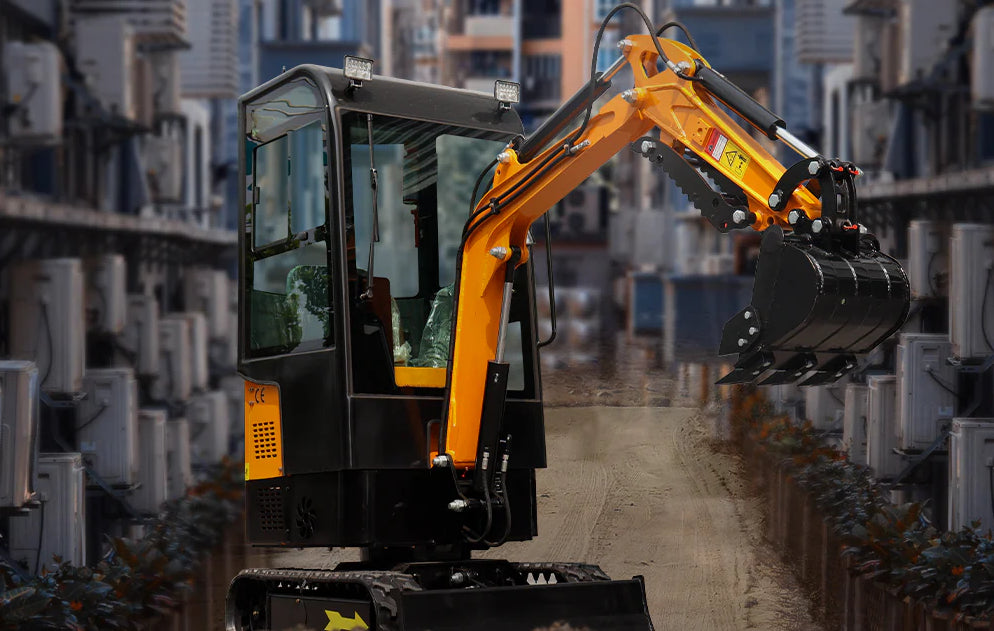
    Construction projects often require a balance between productivity, workforce management, and operational efficiency. As building timelines become tighter and labour costs continue to rise, contractors are looking for smarter ways to complete projects without placing excessive physical demands on workers. One solution that has become increasingly valuable across the construction industry is the use of mini excavators. These compact machines are helping crews complete tasks faster while reducing the amount of manual effort required on-site.

    Modern excavation equipment has evolved to support a wide variety of construction activities, and mini excavators now play a major role in improving workforce efficiency across residential, commercial, and infrastructure projects.

    Reducing Manual Digging Work

    Before compact machinery became widely available, many smaller construction tasks relied heavily on manual labour. Workers often spent long hours digging trenches, removing soil, or clearing debris using hand tools. These physically demanding activities could slow down project timelines and increase worker fatigue.

    Mini excavators now allow operators to complete the same tasks with far less physical effort. A single machine can move large amounts of soil quickly and consistently, reducing the need for large manual digging crews. This not only improves productivity but also helps workers focus on more technical responsibilities that require skill and precision.

    Supporting Smaller Construction Teams

    Labour shortages have become a growing concern in many parts of the construction industry. Contractors are often challenged to complete projects with fewer available workers while still maintaining quality standards and deadlines. Mini excavators help address this issue by allowing smaller teams to handle tasks that once required significantly more manpower.

    With the assistance of compact machinery, fewer workers are needed for excavation, trenching, grading, and material movement. A properly trained operator can complete work efficiently while support staff manage surrounding site activities. This creates a more balanced workflow and reduces pressure on labour resources.

    Faster Completion Of Repetitive Tasks

    Many construction activities involve repetitive work that can consume large amounts of time when completed manually. Digging multiple holes, preparing trenches for utilities, or removing unwanted materials are examples of tasks that can delay progress if performed entirely by hand.

    Mini excavators streamline these repetitive processes through consistent mechanical performance. Their hydraulic systems allow operators to repeat movements accurately and efficiently throughout the day without the exhaustion associated with manual labour. Faster task completion also helps contractors reduce delays and maintain project schedules more effectively.

    Lower Physical Strain On Workers

    Construction work can place significant stress on the body, particularly when workers perform lifting, digging, or demolition activities for extended periods. Repetitive physical strain may contribute to fatigue, reduced efficiency, and workplace injuries over time.

    Mini excavators reduce the amount of heavy lifting and strenuous movement required from workers on site. Tasks such as breaking concrete, lifting debris, or moving materials can be completed using machine attachments rather than relying entirely on physical labour. This creates a safer and more sustainable working environment for construction crews.

    Improving Efficiency In Material Handling

    Construction projects often involve the constant movement of soil, gravel, rocks, and demolition waste. Handling these materials manually requires both time and manpower. Mini excavators simplify material movement by allowing operators to load, relocate, and clear materials quickly within confined work areas.

    They are particularly helpful for projects where access is restricted or where supplies need to be transferred via small locations because of their small size. By reducing the effort needed for material transport, construction teams can allocate labour toward other important stages of the project.

    Versatile Attachments Reduce Specialised Labour Needs

    One of the major advantages of mini excavators is their compatibility with multiple attachments. Buckets, hydraulic breakers, augers, grapples, and compactors allow a single machine to perform a variety of functions on site.

    This versatility reduces the need for separate specialised crews or additional machinery for smaller tasks. For example, a mini excavator equipped with an auger attachment can drill holes efficiently without requiring manual digging teams. A hydraulic breaker can assist with demolition work that would otherwise demand significant physical effort from workers using handheld tools.

    Better Workflow Coordination

    Construction projects rely heavily on coordination between different crews and stages of work. Delays in excavation or site preparation can slow down every task that follows. Mini excavators help maintain smoother workflow transitions by completing groundwork efficiently and consistently.

    When excavation tasks are completed faster, electricians, plumbers, concrete teams, and landscapers can begin their work sooner. This improved coordination keeps projects moving forward while reducing downtime across the site.

    Conclusion

    Mini excavators have become an essential part of modern construction because they reduce labour demands while improving overall efficiency. Their ability to handle digging, lifting, demolition, and material movement with minimal physical effort helps contractors manage projects more effectively with smaller teams. 

  • The Role Of Investment In Construction Growth

    The Role Of Investment In Construction Growth

    Investment is a key driver of growth in the construction industry. It fuels development, supports infrastructure projects, and creates opportunities for innovation and expansion. From residential buildings to large scale infrastructure, financial investment determines the pace and quality of construction activities. In today’s connected world, even casual digital engagement such as browsing whatsapp dp reflects how individuals interact with evolving technologies that also influence industries like construction.

    Driving Infrastructure Development

    Investment plays a crucial role in infrastructure development. Roads, bridges, housing projects, and commercial spaces all require significant financial support. Without adequate funding, construction projects cannot move forward or reach completion.

    When governments and private investors allocate resources to infrastructure, it leads to improved connectivity and economic growth. These developments benefit communities by creating better living conditions and enhancing accessibility. Infrastructure investment is therefore a foundation for long term progress.

    Encouraging Innovation And Modern Techniques

    Financial investment enables the adoption of modern construction techniques and technologies. Advanced machinery, sustainable materials, and digital tools require funding to be implemented effectively.

    For instance, professional development and strategic insights offered by platforms like pedrovazpaulo coaching highlight how knowledge and innovation can improve industry practices. In construction, investing in training and new technologies helps companies increase efficiency, reduce costs, and improve project outcomes.

    Supporting Housing And Urban Development

    Investment is essential for meeting the growing demand for housing and urban development. As populations increase, the need for residential spaces and urban infrastructure continues to rise.

    Programs and platforms such as https://pmaygnicingramin.com reflect how housing initiatives depend on structured investment and planning. These investments ensure that housing projects are accessible, affordable, and sustainable. They also contribute to the overall development of cities and communities.

    Enhancing Workforce Skills And Employment

    Construction growth is closely tied to the availability of skilled labor. Investment in training and education helps develop a capable workforce that can handle complex projects.

    A skilled workforce improves productivity and ensures high quality construction. Investment in human resources also creates employment opportunities, supporting economic stability. By focusing on skill development, the construction industry can maintain consistent growth and innovation.

    Improving Planning And Knowledge Access

    Access to information and proper planning are essential for successful construction projects. Investment in research, data analysis, and planning tools helps organizations make informed decisions.

    Platforms like https://hindibarakhadi.net demonstrate how access to structured information can support learning and understanding. Similarly, in construction, access to accurate data and planning resources ensures that projects are executed efficiently and effectively.

    Strengthening Project Management And Efficiency

    Investment also improves project management practices. Efficient management ensures that projects are completed on time and within budget. It involves coordinating resources, managing risks, and maintaining quality standards.

    With proper funding, construction companies can implement better management systems and tools. This leads to improved efficiency and reduced delays. Strong project management is essential for achieving successful outcomes and maintaining industry growth.

    Adapting To Digital Transformation

    The construction industry is increasingly embracing digital transformation. Technologies such as Building Information Modeling, automation, and data analytics are becoming essential components of modern construction.

    Digital platforms and tools, including systems like snaptroid login, highlight how technology integration supports accessibility and efficiency. In construction, adopting digital solutions helps streamline processes, improve communication, and enhance overall productivity.

    Promoting Sustainable Construction Practices

    Sustainability is becoming a major focus in construction. Investment in eco friendly materials, energy efficient designs, and sustainable practices helps reduce environmental impact.

    Sustainable construction not only benefits the environment but also reduces long term costs. Investors are increasingly prioritizing projects that align with environmental goals. This shift toward sustainability is shaping the future of the construction industry.

    Conclusion

    Investment plays a vital role in driving construction growth. It supports infrastructure development, encourages innovation, and improves workforce skills. By enabling better planning, project management, and digital transformation, investment ensures that the construction industry continues to evolve. As the demand for housing and infrastructure grows, the importance of investment will only increase. By focusing on sustainable practices and modern technologies, the construction industry can achieve long term success. Strategic investment is therefore essential for building a stronger, more efficient, and future ready construction sector.